I led a team that researched how best to create and serve a design system to our Product, Design, and engineering teams at Cars.com.
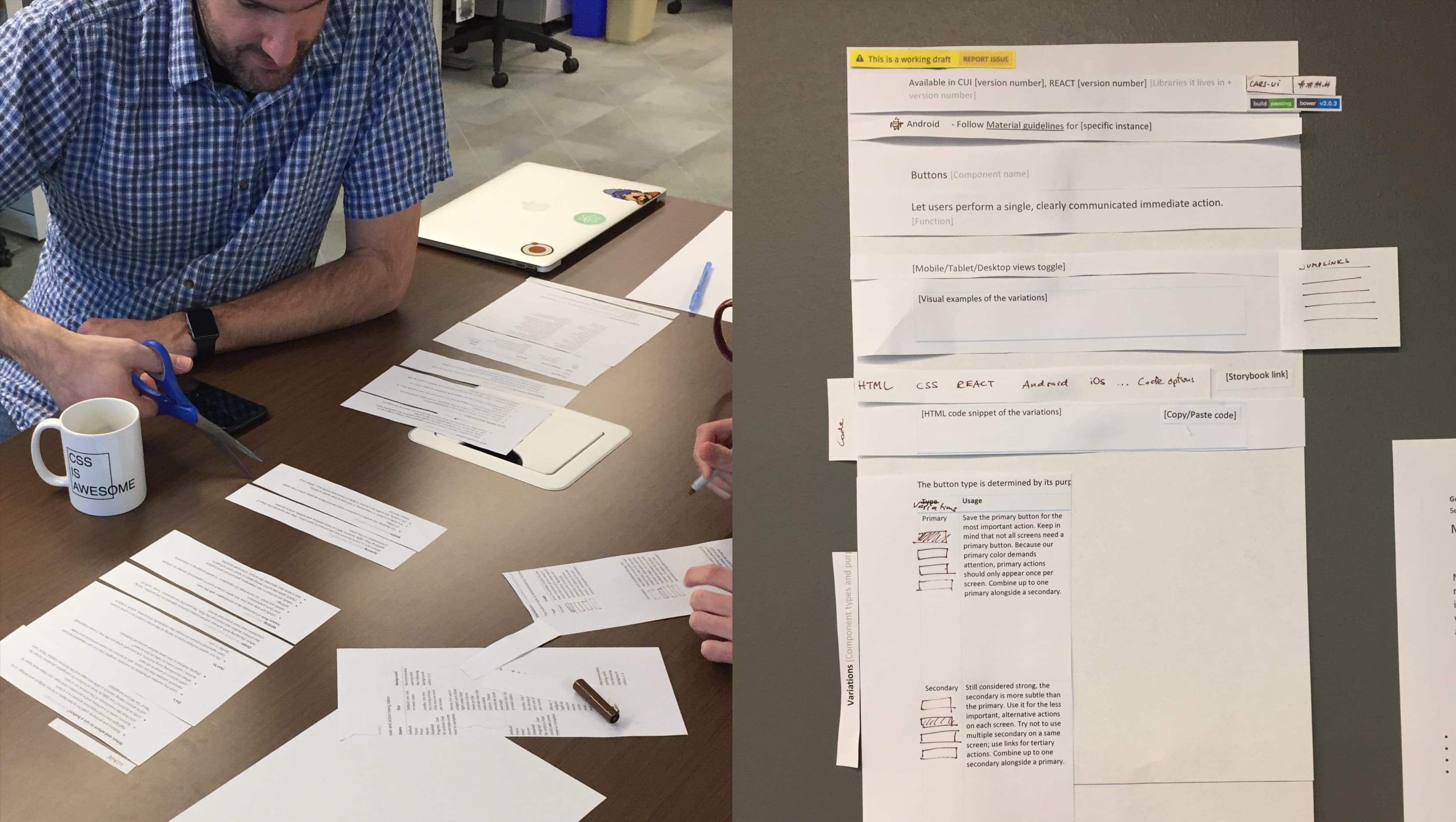
For approximately three months before any code was written or components were designed, our newly formed Design System team at Cars.com performed research, with three areas of main focus. We researched how our teams and individuals work, how design systems are used across different industries, and how best to organize the artifacts of our system to best support its users across Product, Design, and Engineering, and across multiple platforms.
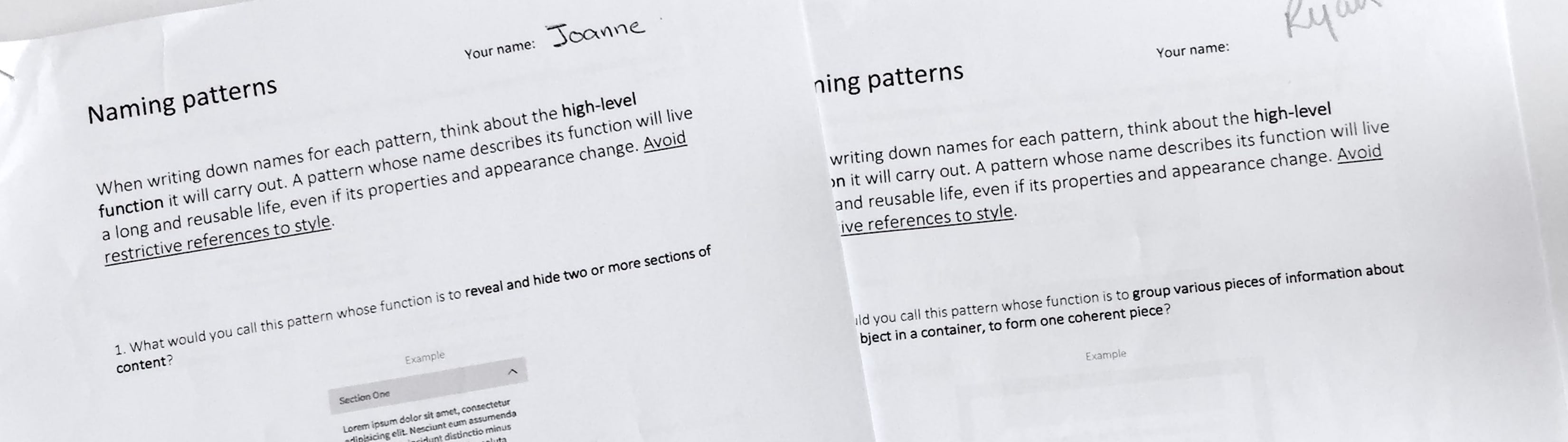
We interviewed individuals and groups across multiple different functions to find out more about how they work day-to-day, and what problems they are facing with the tools and resources they are currently using. Utilizing questionnaires, individual interview sessions, and group workshops, we determined over time what to include in our design system, as well as what not to include, that would help members of our team to work faster, more confidently with fewer questions, and while maintaining a high level of quality.
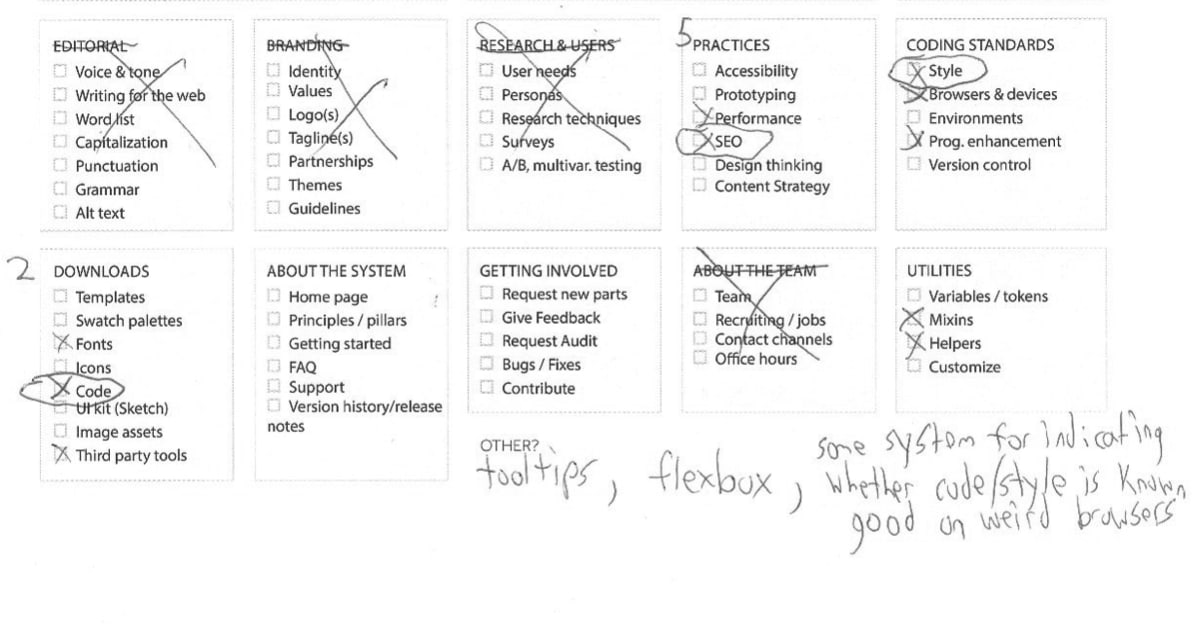
We also utilized existing tools to collect information from our users, including many articles and worksheets from Nathan Curtis; most notably his Picking Parts worksheet. His articles were required reading for myself and my team, and his work with the Morning Star Design System proved inspirational in our early days, as well.
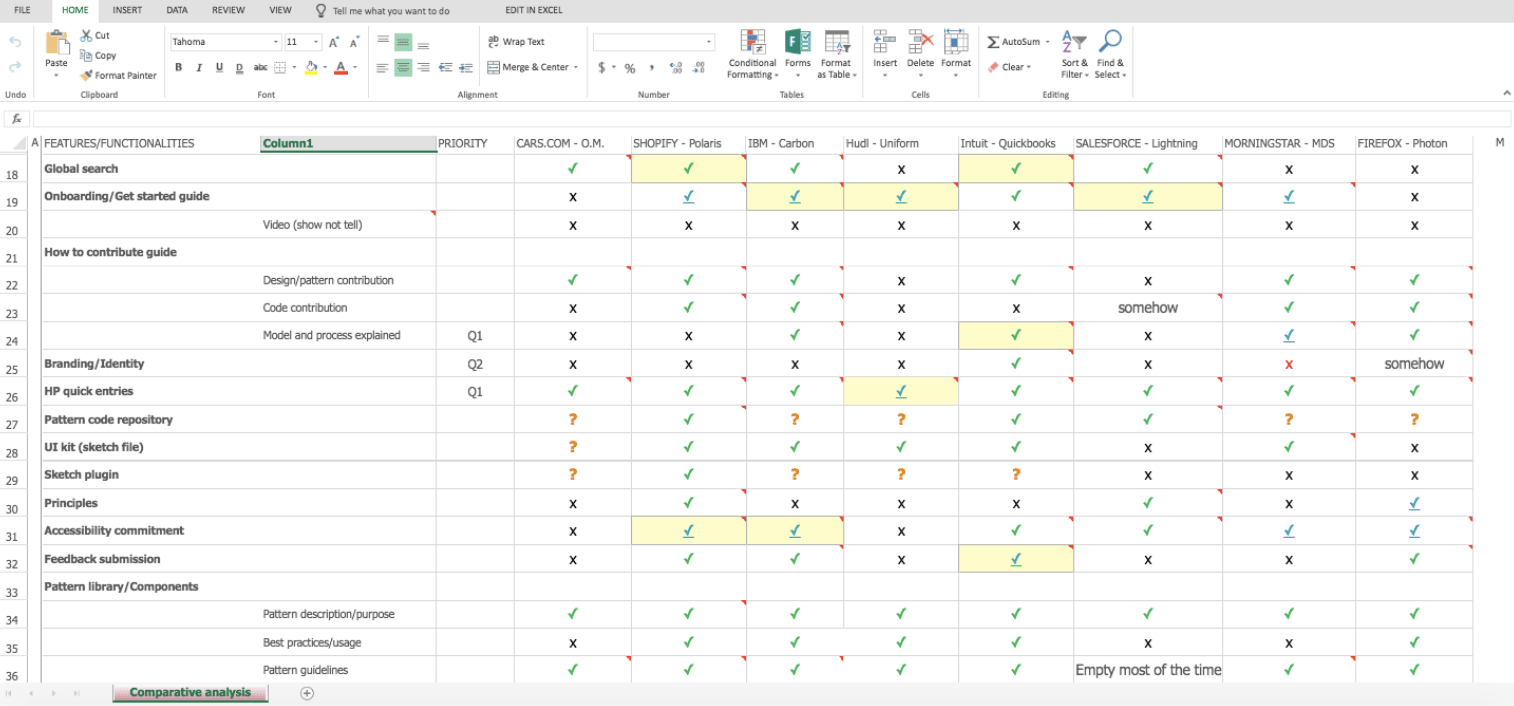
Apart from capturing what our colleagues wanted in a design system, we wanted to explore what we didn’t know we wanted as well, which manifested itself through some competitive analysis and internal audits of existing patterns and foundations.
Scouring the web for design systems used in companies from all around the world opened up different approaches to documentation and organization, which helped us shape our own path. While many of the most popular design systems and their documentation implementations inspired us greatly, it also helped shape the breadth of how much and how we wanted to surface guidelines and direction for our content.
An internal audit of existing patterns, foundations, and principles also forced us to pare down our content to only the most essential pieces, and at the same time create processes and rules around how the design system is defined and how it will be maintained going forward.